
Listen to Him
Friends, the word “listen” as it is used in today’s Gospel Reading is covenantal. Matthew uses the Greek ἀκούετε (akouete), from ἀκούω (akouō), to echo the Hebrew shema—“hear.” But in the Transfiguration as narrated in Matthew 17:1-9, Matthew is doing far more than telling us to pay attention to what Jesus will say, says or said. “Listen” is a covenant verb that gathers up the entire biblical story of how God forms a people, reveals His Son, and reorients human lives. In this case, the Father’s command in the Transfiguration, “Listen to Him,” becomes an invitation to let Jesus be the one who interprets our reality, because He is the definitive interpreter of God. In addition, He is the one through whom God now speaks. Seen in this light, the Father’s declaration, “This is Beloved Son,” is not only an affirmation of Jesus’ identity. It is the revelation of our identity. For in Him, we discover who we are, whose we are, and what our lives are for. Furthermore, “to listen to Him” is to let our identity be shaped by His revelatory act of being the Word of the Father. In other words, to listen to Him is to receive and internalise the Word, let Him reorder our lives, and act from the Word.
Abram, in the First Reading, becomes the first to listen. As we heard, “Abram went as the Lord directed him.” He not only received the promise of blessing and the mission that all the families of the earth would be blessed through him; he also allowed that promise to reorient his entire life. Later, in the book of Genesis, Abram’s name will be changed to Abraham, the father of nations, because he listened and allowed the promise to interpret his life and shape his identity. Notice that Abram listened to the promise, but not to the Word, because the promise itself anticipates the Word. It was not the Word in its fullness, for the Word had not yet become flesh. But it was revelatory in that it points forward, “I will make of you a great nation, and I will bless you, I will make your name great, so that you will be a blessing.” The repeated “I will” reveals a future held in God’s hands, and Abram listened his way into that future. And his act of listening is counted as faith, making him our father in faith. But now Matthew invites us not to listen forward, but to listen from fulfilment, to listen to Him, Christ. For in Christ, we see that the promise is fulfilled in the Word, and the Father has kept His Word.
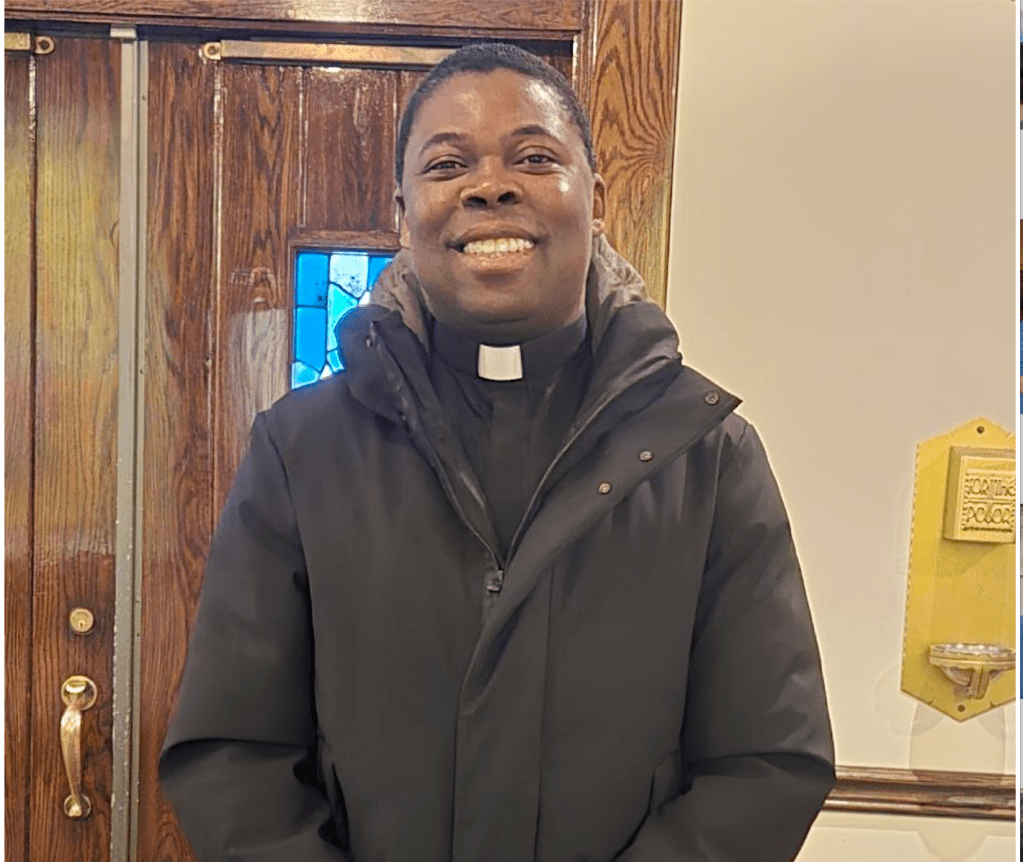
Josephine listened to Him some forty years ago. Amid family pressure, career opportunities, and even threats to life, she chose to keep her pregnancy. It was the hardest decision she ever made, she later said, after seeing the son she could have aborted become a priest. At his ordination, tears ran down her face—not because he had become a priest, but because she listened to the word of the Word, “thou shalt not kill.” That word reoriented her entire life, cost her a promising career, and continues to shape her in ways she never imagined. But her joy today is not simply that her son became a priest, but that through his priesthood, many lives have also been given a chance to live. For Josephine, “Listen to Him” became exactly what Matthew means: to receive and internalise the Word, let Him reorder our lives, and act from the Word. And as her story shows, such listening often comes with a disorienting cost. However, as the Greek akouete reminds us, listening means letting Jesus interpret our reality, not limiting ourselves to what is obvious, but trusting what is quietly being prepared beneath the surface of our ordeal. It is the future no eye has seen, hidden in the present, which Christ reveals in time when we allow Him to be the interpreter of our lives as we listen to Him.
Leave a Reply